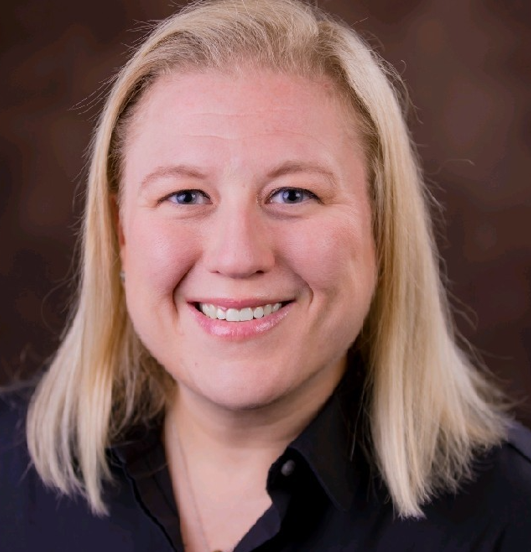

Director, Quality Assurance
Axogen
Please provide a summary of your job or research. What is an average day like? What are some duties performed?
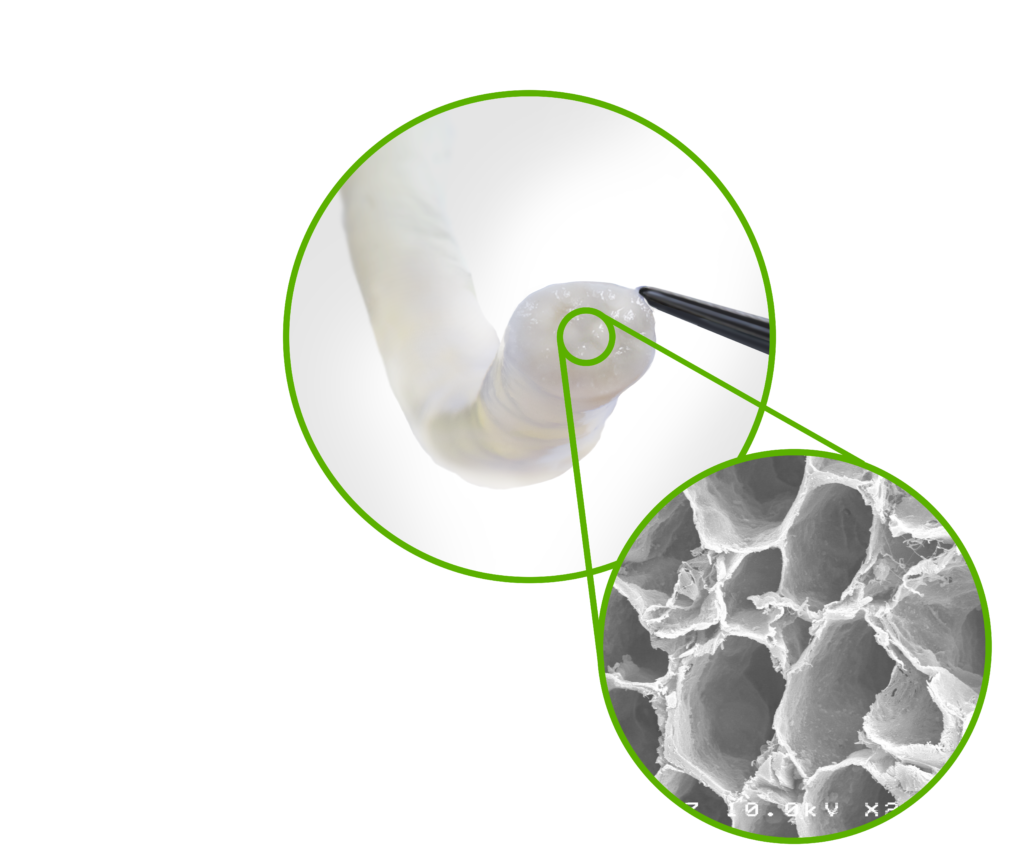
I am the Director, Quality Assurance for Axogen at the manufacturing facility located in Dayton, OH. At this site, we manufacture the Avance nerve graft, a biologic drug. Avance is a nerve graft that has been processed after recovery from a donor, that is intended for the surgical repair of peripheral nerves to support regeneration across a damaged area. I oversee the quality assurance team who review the documentation associated with the receipt of materials needed for the manufacturing process, processing and labeling of the drug product, and all of the systems and equipment that we have to qualify and maintain to keep our process running reliably. I spend a lot of time working with the Operations, Engineering, and Quality Control teams, especially when things don’t go as we expect it to. We perform investigations to determine why that happened, what the impact of the occurrence is on product and processes, and what we can do to prevent it from occurring again! It’s very exciting to get to be creative when coming up with ideas to make things better!
What is your educational background and what prompted you to go this direction?
When I entered college, I knew I wanted to study biology or biochemistry. I considered medical school but wasn’t sure what other career paths existed. After my first two years—and partly inspired by CSI—I developed an interest in forensic science.
Toward the end of my junior year, I was offered two summer internship opportunities: one at the Cuyahoga County Coroner’s Office and another in the Medical Student Education program at the Cleveland Clinic. After interviewing at the coroner’s office, I realized I’d prefer to use my skills to help people live better, so I chose the Cleveland Clinic internship.
The program was primarily made up of medical students, and I was one of only two undergraduates. I spent the summer in the clinical pathology lab working to develop a blood test to detect circulating thyroid cancer cells and banking blood samples. Although my project ultimately failed when my cell line died, the experience led directly to my first job after college at Quest Diagnostics, where I worked third shift running immunoassay blood tests.
I later moved back to Cleveland and joined a startup that had spun out of the Cleveland Clinic. The company was developing a Food and Drug Administration (FDA)-approved test, or immunoassay, for a cardiovascular risk marker, which became my first exposure to manufacturing an FDA-regulated product. I was hired to run the test in a clinical lab—but when I started, the test didn’t yet exist. Only a research-use-only kit was available, so I helped optimize material ingredient concentrations for the testto meet FDA requirements.
Once development was complete, we submitted an application to the FDA to sell the test kit, which was approved. That experience launched my career in pharmaceutical manufacturing quality—and I’ve been in the industry ever since.
What have you struggled with or overcome in your educational path or life path to get to this point?
One of the most significant challenges has been one of the most rewarding aspects of my journey, which is relocation. I have moved several times in pursuit of career advancement opportunities, each transition requiring me to step outside my comfort zone both professionally and personally. With every move, I was exposed to new environments that broadened my technical expertise, including working with different dosage forms, navigating varied approaches to quality systems, and learning new software platforms. These experiences strengthened my adaptability and deepened my understanding of how quality is implemented across organizations.
Equally important, however, has been the personal growth that came with each relocation. Starting over in a new place pushed me to build resilience and embrace change with a positive mindset. I discovered new interests and hobbies, formed meaningful friendships, and learned how to quickly integrate into unfamiliar surroundings. These experiences not only shaped my professional perspective but also helped me better understand my own strengths, values, and interests.
Overall, while relocation presented its share of challenges, it has been instrumental in developing both my technical capabilities and my personal confidence. Each move reinforced my ability to adapt, connect, and thrive in new environments, making me a more well-rounded professional and individual.
What is the best part of your job/research?
The best part of working in the FDA regulated products field is that I know what I do every day contributes to improving the quality of life of patients. Every dose/product made is for someone’s mother, father, daughter, son, cousin, or friend, and the products I make give them the ability to live their best lives.
What is the worst part?
In my current job, I know that our products are not reaching all of the patients that they could help. It is estimated that our product is currently only used in 2-8% of patients who could benefit from it. Fortunately, recently, one of the largest insurance companies changed reimbursement protocols to include our product as the standard of care. I am hopeful that continued progress from the company and engaging more clinicians to understand how the product can help their patients will open those doors and make our product available to those who need it!
What’s the most exciting part of your job?
The exciting part of my current job is being able to draw from experiences that I have had over the past 20 years, then applying it to current situations to provide the best quality oversight that I can to our process. One of the things I enjoy most in general is problem solving, and one of my personal mantras is to make the world a better place than I found it. It invigorates me to figure out what went wrong using systematic methods, improving a process, or coaching and mentoring employees, peers, and colleagues.
What has changed about your profession in the past ten years?
One of the biggest shifts in general – use of electronic systems – is very applicable within FDA regulated industry. Use of paper documentation is cheap and easy, but it relies on humans doing things consistently. Taking that human element out of it makes things more efficient and accurate without the potential for error. The FDA issued guidance (21 CFR Part 11) in 1997, so use of electronic systems in the industry is still maturing.
What do you think will change in the next ten?
As we look forward, use of Artificial Intelligence is going to be a game changer. AI can be a great tool, but it must be used cautiously and include evaluating input and output to ensure it is used and applied properly. This was specifically cited by the FDA in an enforcement action (warning letter) to a company in Michigan in the past month. AI has the potential to reduce the cost and effort of ensuring quality in FDA regulated products, but it is important that this is driven by good data and review by subject matter experts.